
Medical Waste is any kind of waste that may contain infectious materials which usually comes from Healthcare facilities ; hospitals , dental clinics , laboratories and veterinary clinics. Medical waste can contain blood and other bodily fluids and contaminants
● There are 5.9 million tons of medical waste each year
● 85% is non hazardous
● 16 billion injections are given each year
● About 2 million needles are used each day
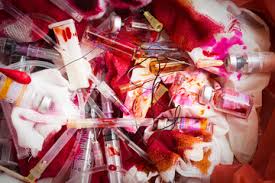
Types of Medical Waste
There are multiple different types of Medical Waste, the ones listed below are some of the most common.
● Infectious Waste – Any waste that can be infectious such as cotton swabs, tissues and excreta.
● Pathological waste – Human fluids, tissue, blood, body parts, bodily fluids, and contaminated animal carcasses .
● Genotoxic waste – A highly dangerous form of medical waste that could potentially cause cancer, birth defects and mutations. This can include cytoxic (toxic to living cells) drugs intended to be used for cancer treatment.
● Pharmaceutical waste – All unused, expired and or contaminated vaccines and drug.
● Sharps – Any waste that can pierce through skin, such as needles, scalpels, lancets, razors, broken glass and staples.
Methods of treating Medical waste
● Incineration – Before 1997, 90% of infectious medical waste was disposed by incineration. Changes in the EPA (Environmental Protection Agency) regulations has led providers to seek other disposal methods. This method is still used on pathological waste like body parts and identifiable tissues.
● Biological – This is experimental method of treating biomedical waste uses enzymes to neutralize dangerous/infectious organisms. This method is rarely used in practice since it’s still under development.
● Chemical – Some kinds of chemical waste are neutralized by applying reactive chemicals which make it inert.
 Environmental Issues